
The pilot profession attracts the attention of many people who dream of soaring freely in the sky. However, age is an important factor in becoming a pilot. So, what is the youngest age to become a pilot? Here is the answer to this question and details about the process of becoming a pilot.
Age Limits for Licensed Pilots
The process of becoming a pilot is regulated according to the age limits determined by the aviation authorities. In general, there are three main pilot licenses: Private Pilot License (PPL), Commercial Pilot License (CPL) and Airline Transport Pilot License (ATPL). Here are the age limits and details for these licenses:
- Private Pilot License (PPL): In order to obtain a private pilot license, you must be at least 17 years old. PPL is one of the basic licenses that must be earned before starting flight training and allows you to make recreational flights. Pilots with this license can perform non-commercial flights.
- Commercial Pilot License (CPL): Pilots who want to fly professionally by obtaining a commercial pilot license must be at least 18 years old. The CPL is required to take part in commercial air transportation operations. Pilots with this license can take part in air taxi services, aerial photography and similar commercial operations.
- Airline Transport Pilot License (ATPL): Pilots who want to obtain an ATPL must be at least 21 years old. This license is required to work as a captain pilot in major airline companies. The ATPL is the highest level pilot license and requires extensive experience and training.
Education and Experience Process
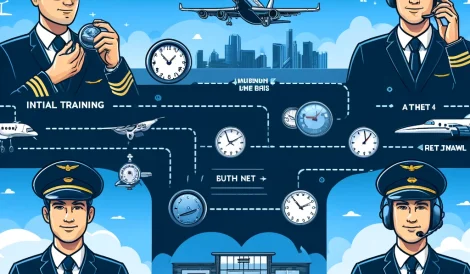
Stepping into a pilot career requires the completion of certain training and flight hours. This process can usually take several years and involves intensive training. Here are the stages on the way to becoming a pilot:
- Theoretical Training: Pilot candidates receive classroom training to learn theoretical information about aviation. This training covers topics such as flight theory, navigation, air law, meteorology and flight planning.
- Flight Training: After theoretical training, candidates receive flight training. This training includes aircraft operation, takeoff, landing, emergency procedures and flight maneuvers. Candidates complete practical flight hours with experienced flight instructors.
- License Exams: Candidates who complete theoretical and flight training take the relevant pilot license exams. These exams include tests that evaluate both written and practical flight skills.
- Flight Experience: After receiving a license, pilots continue to gain experience by increasing their flight hours. Especially for commercial and airline pilots, it is necessary to reach a certain number of flight hours.
International Aviation Rules and Additional Requirements
The piloting process is subject to international aviation rules and domestic regulations. For example, the International Civil Aviation Organization (ICAO) sets aviation standards and ensures that member countries comply with these standards. In addition, each country has its own aviation authorities, which oversee pilot licensing processes.
Recommendations for Young Pilots
Here are some recommendations for those who dream of becoming a pilot at a young age:
- Starting Early: Starting aviation-related training and courses at an early age can create a solid foundation for your future pilot career.
- Joining Flight Clubs: Flight clubs provide young pilot candidates with experience and help them connect with the aviation community.
- School and University Programs: Schools and universities that offer aviation-related programs can help you advance in your career by providing theoretical knowledge and practical flight training.
In summary, while a private pilot license can be obtained at the youngest age of 17, it is necessary to be at least 18 years old to step into a commercial pilot career and at least 21 years old to become an airline transport pilot. It is important to take planned and determined steps at a young age to start a pilot career. The process requires discipline and dedication, but the joy of floating freely through the sky at the end is priceless.