
Introduction:
In the aviation world, there are various trainings for pilots to increase their competence and perform safer flights. One of these trainings is instrumental flight training. In this article, we will discuss the introduction to instrumental flight and examine the importance, content and benefits of this training.
What is Instrumental Flight?
Instrumental flight is a type of flight in which the pilot flies using flight instruments and instruments rather than using visual reference points. Weather conditions on such flights can often be challenging and visibility can be low. Instrumental flight is a skill that allows pilots to fly safely in these challenging conditions.
Content of Instrumental Flight Training:
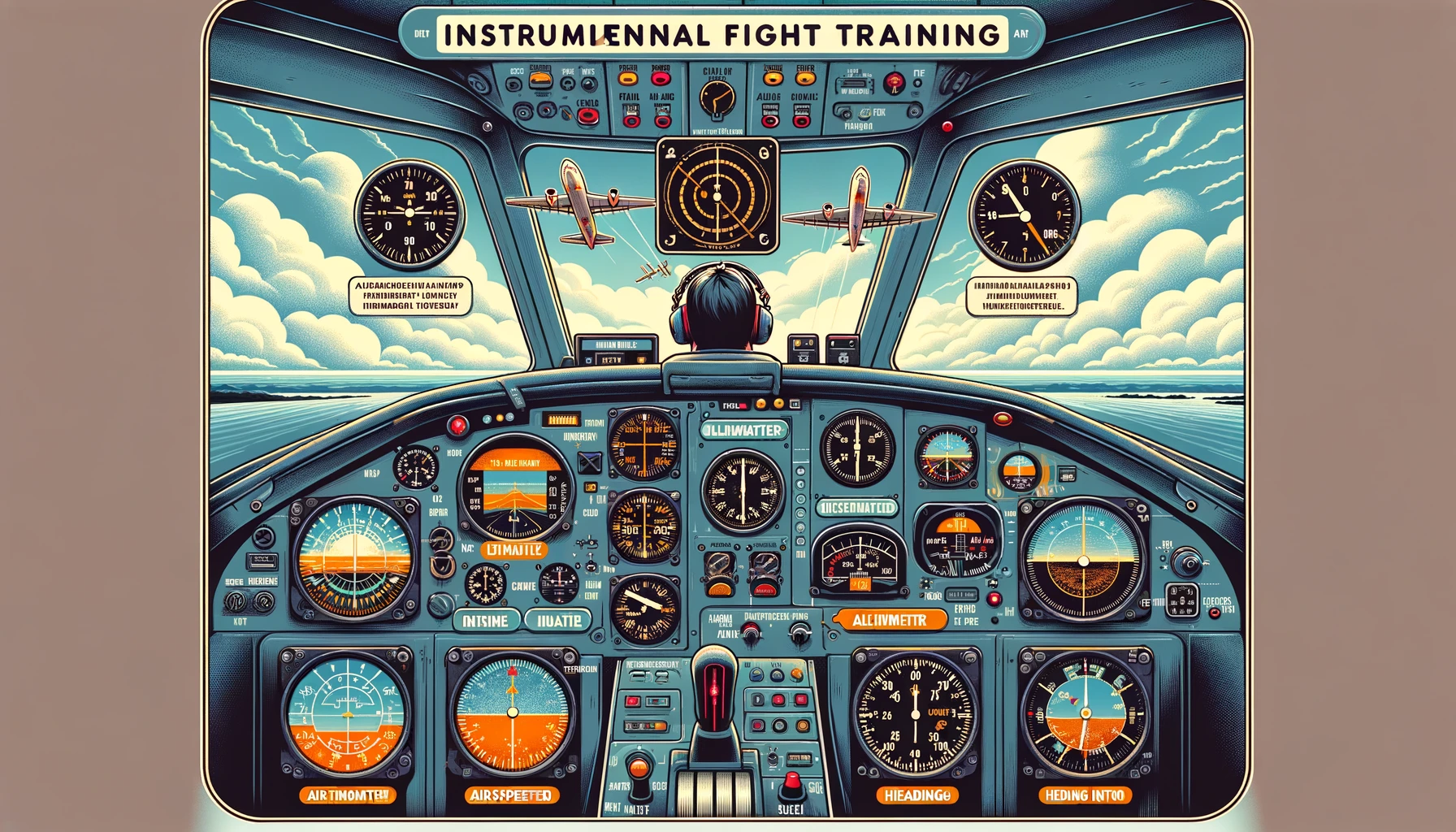
Instrument Reading and Use: Pilots must be able to correctly read and use the instruments in the cockpit of the aircraft. This includes instruments such as speedometer, altitude indicator, compass, radio transceiver.
Flight Planning: It is important to make a detailed flight plan for instrumental flights. This plan includes elements such as weather conditions, route determination, alternative airports.
Radio Communication: Pilots must be able to communicate effectively with air traffic control. This includes the skills necessary to understand and communicate instructions accurately.
Emergencies: Instrumental flight training gives pilots the skills to deal with emergency situations. These situations may include scenarios such as engine failures and emergency landings.
Benefits of Instrumental Flight Training:
Safe Flights: Instrumental flight training enables pilots to fly safely in difficult weather conditions. This allows the pilot to maintain control even when weather conditions deteriorate.
Competency Increase: This training increases the competencies of pilots and makes them better pilots. Instrumental flying skills improve the pilot’s overall flying skills.
Career Advancement: Instrumental flight training can help pilots advance their careers. Especially for commercial pilots, this skill is important and increases the chances of finding employment.
Result:
Instrumental flight training is an important training that enables pilots to fly safely and competently in difficult weather conditions. This training improves pilots’ skills, increases their safety and helps them advance their careers. In the world of aviation, it is important for every pilot to acquire this skill, and this training helps them achieve this goal.


